
CPA Experts Frisco Alternative CPA Frisco books, payroll setup, and the return
We set up payroll, we close the books, and we prepare the return from the books that already match the bank.
We are all Texans, and when the address is in Frisco, Steven Palmieri, a Tax CFO and the Entrepreneur's CFO, asks whether it sits in Collin County or Denton County before we quote a fee.
Tell us about the books.
You will be talking to the Steven Palmieri practice.

We ask about the county before we quote.
We ask which county the address sits in, which books are still open, and what this year still needs. We quote a fee only after those answers are real. The fee covers the close, the October conversation, and the May report when a company sits across a county line.
County
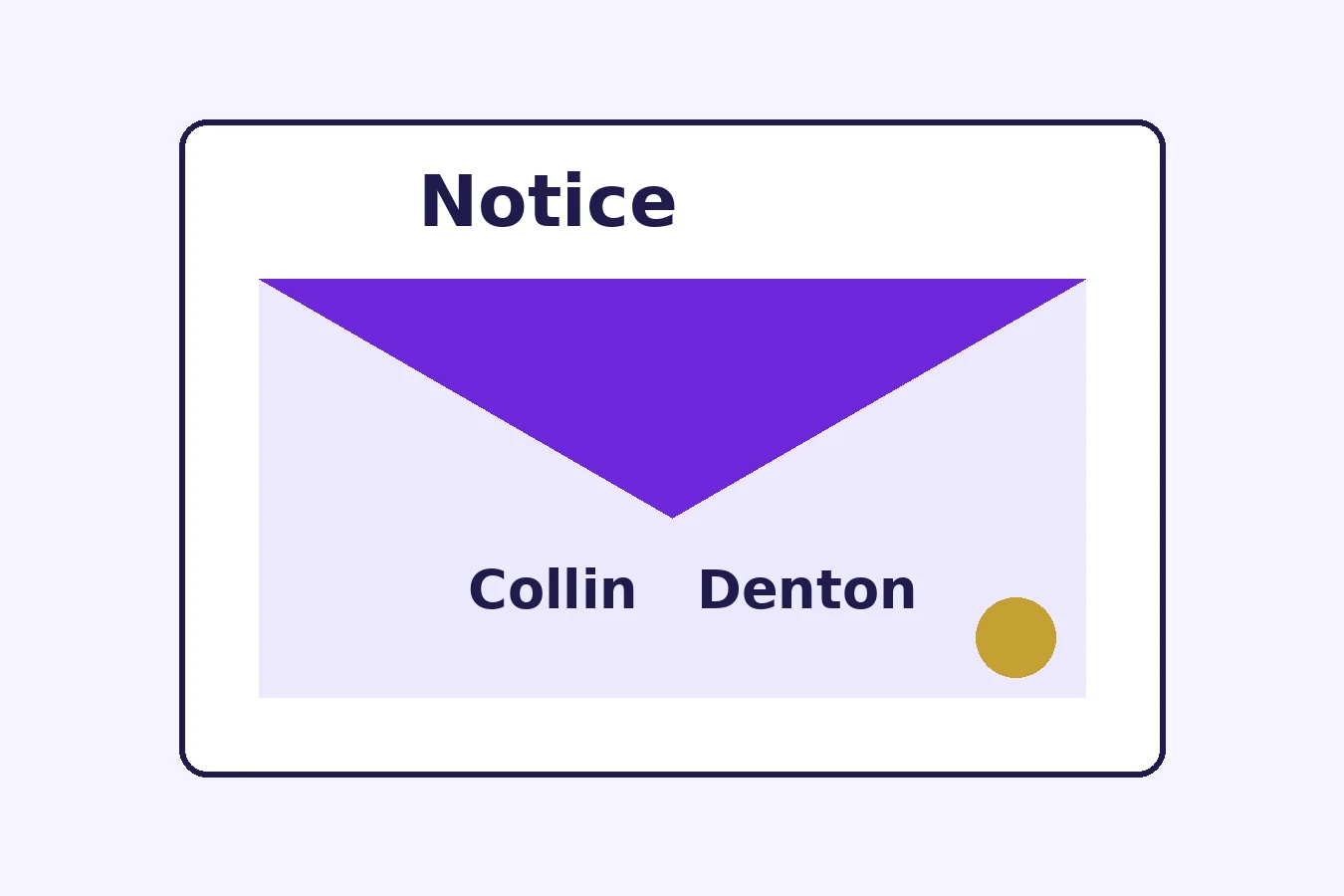
We are all Texans. Collin County mails appraisal notices on 15 April. You see the envelope. We ask which county it names before we quote a fee.
Click to read county ›Tap to read county ›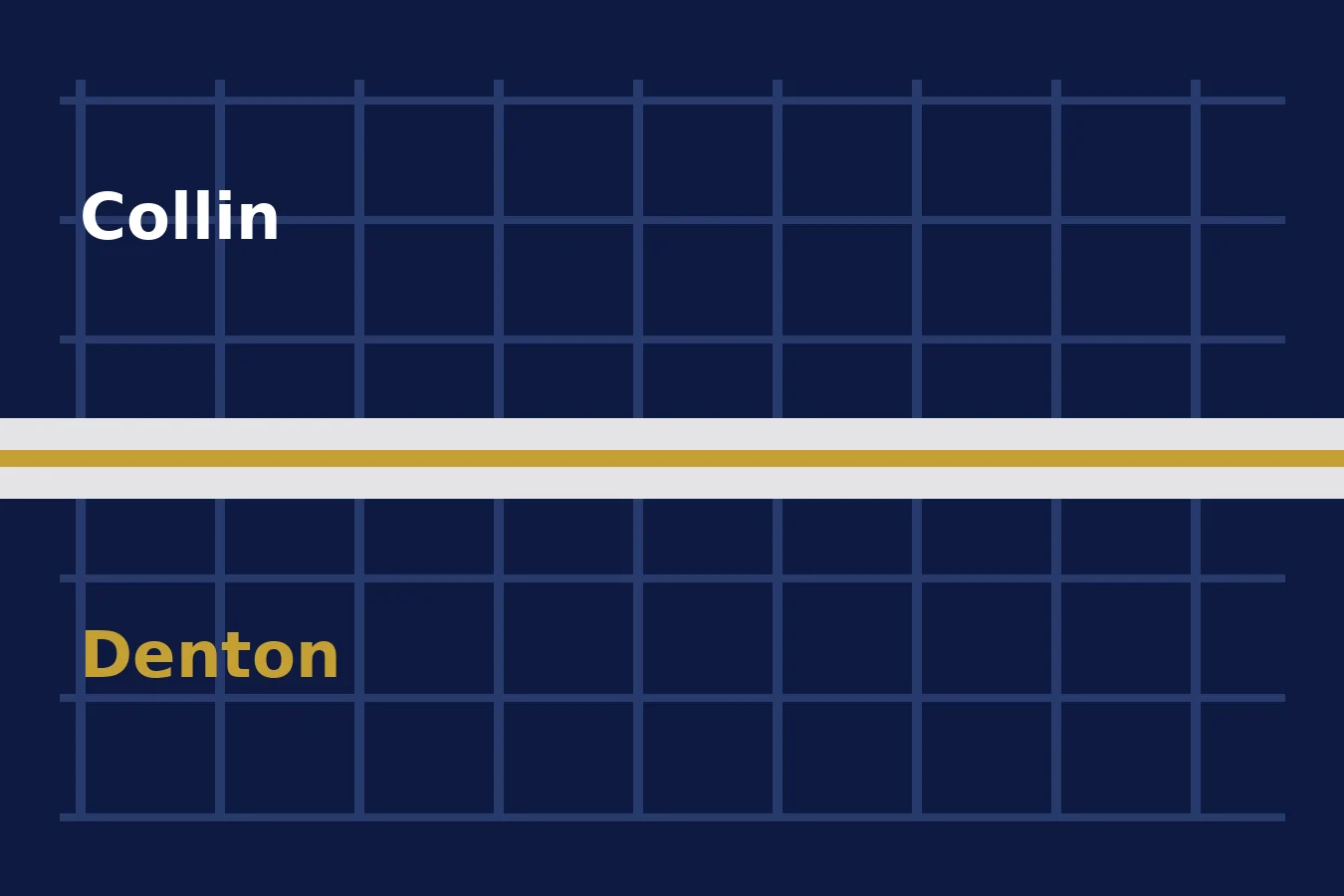
The rate
We are all Texans. Sales tax is 8.25 percent on both sides of the county line. We still ask which county the address is in, because the property-tax notice changes.
Click to read rate ›Tap to read rate ›
The week
We close a busy week after you send the statements, and only when the books match the bank.
Click to read week ›Tap to read week ›
October
In October we still talk about wages and estimates, before December shuts the year.
Click to read October ›Tap to read October ›
Who closes
The same person who answers in July is the one who closes a busy week with you.
Click to read closer ›Tap to read closer ›
The lookup
A lookup finds a phone number. We show whether the books match the bank, and that match is what matters.
Click to read lookup ›Tap to read lookup ›Six questions about the books
Tap a line to read the answer.
1Bank will not match
We leave the books open
Calling the books finished while the bank balance still does not match only pushes the mess into the next close.
2Payday not set up
We set payday up, then stop
Setup covers the wage map, the deposit rhythm, and the filings a provider will produce, and you keep running payday after the handoff.
3October still open
We use the books still open
A retirement look, an estimate, and the shape of wages can still change in October, which is why that conversation exists at all.
4Price before the county
We name the county first
Frisco sits in two counties, so we ask which county the address is in before we say what the books, the payroll setup, and the return will cost.
5The login stays yours
You keep the login
We can work inside a file you invite us into, and we do not become the only people who can open the books.
6A cover signed elsewhere
That cover is written elsewhere
A lender asking for an audit, a review, or a compilation wants a signature we will not put on paper.

Who you will talk with
Steven Palmieri answers this page as a Tax CFO, the Entrepreneur's CFO, and an address in Frisco still gets the county named before a fee.

More about how we close the books
We close one month at a time, and we name that month out loud. Either the cash matches the bank, or that month stays open. Cards and loans match the statements. Sales tax that will leave on the 20th is already set aside. Bills you owe and invoices still unpaid get their own lines. One sentence says what changed. When that list cannot be finished, we say so, and we do not start the next month on top of a broken one.
Payroll here is setup only. We map the wage accounts, the deposit rhythm, and the filings a provider will produce. You operate payday after that handoff. We do not turn into a payroll department that runs the checks.
Statements come out of that close. The profit line keeps the account names the bank tie already used. Equipment, the loan, and tax still to send remain visible on the balance sheet. Last month sits beside this month in one line, so the change is visible without a second translation.
Preparing the return waits until those months are already closed. A return built on closed months is mostly a check of those months, plus the October choices that were still open. Months that never closed turn the return into a reconstruction of the whole year, and that reconstruction costs more than a year that was closed as it went.
The same close still happens on a video call, with the books shared and a time on the calendar. The work is the same on a screen as it is on paper. We still name the county before anyone says a fee.
Two counties matter before anyone talks about a price. Frisco sits in both Collin County and Denton County, so an appraisal notice, a rendition, and the sales-tax slice follow the address. We ask for the county the April notice already prints. A quote that skips the county has not looked at your notice. A package price that never asks the county is a price for a business we have not seen.
October is when wages, a retirement look, and estimates can still move. We would rather have that talk while the year is open than narrate a surprise after the year has already shut.
A directory can rank a name. The ranking is not the work. What counts is a month whose cash already matches the bank. The word experts on this address is not a credential, and the limit is the same one you will hear on the phone.
The login stays with you. We work inside a file you invite us into. We never become the only people who can open it, and we will not ask you to hand the keys over as a condition of starting.
Someone paid on a contractor form who shows up like an employee needs that look before any year-end form is prepared. Classification is a talk about the work the person actually did. When wages are the right answer, payroll gets set up on the provider you operate. You still run payday.
A one-owner shop with real profit sometimes deserves a written look at an S corporation election, and sometimes the honest answer is to leave the current setup alone. The reply picks wait or yes and says why. No made-up savings number is used to steer the entity choice.
If a lender wants a signed audit, a review, or a compilation, you hear the refusal before a proposal. A firm that holds the signature writes those covers. A price, when one is earned, names the books, the payroll setup, and the return, and it waits until those three are real. Come with the last close you trust, a login you still hold, and one question you can say without notes. We will say whether the next step is a monthly close, a cleanup of the open books, or a referral.
Tell us the county before we quote.
We work in Dallas.
You will be talking to the Steven Palmieri practice.