A school-tax notice still feels personal, because it names a value and a rate and it arrives whether the month was ready or not. The feeling does not pick the county. The feeling is allowed. The numbers below are the ones an owner can check against the notice, and they come from the Comptroller school district workbook rather than from a memory of a billboard.
Frisco Independent School District covers 88.54 percent of the city blocks. Most of those blocks are in Collin County. For 2025 the district total rate is 1.0194 per 100 of taxable value. Maintenance and operations are 0.7494. Interest and sinking are 0.27. Maintenance, interest and sinking, and the total are the school row. They are not a guess about your bill, because taxable value is on your notice, not on this page.
Other districts touch the city and should not be rounded away. Prosper Independent School District covers 4.32 percent of the blocks, mostly in Collin County. Lewisville Independent School District covers 4.12 percent, mostly in Denton County. Little Elm Independent School District covers 2.98 percent, mostly in Denton County. An address near an edge can be in a different district from the shop down the road. The quote that assumes Frisco ISD for every block is the quote that skipped the notice.
The counties split the blocks as well. Collin County is 57.77 percent of the blocks. Denton County is 42.23 percent. County rates in that same workbook picture are 0.149343 per 100 of taxable value in Collin County and 0.185938 per 100 in Denton County. The city rate in the Collin stack is 0.425517 per 100, of which maintenance and operations are 0.292775 and interest and sinking are 0.132742. Your notice is the document. This paragraph is the map that stops a quote from using one rate for two counties.
Sales tax is the other bill, and it is simpler. The state rate is 6.25 percent. The city rate is 2 percent. The total is 8.25 percent on the Collin County slice and on the Denton County slice. Neither county charges a county sales tax. Neither slice includes a transit tax or a special-purpose district. Frisco is not a member of the transit authority that includes Dallas. The local 2 percent is city tax. It is due on the 20th, and the 20th does not move because a month was busy.
A close treats that 20th as a known outflow. The set-aside should already match the return you will file. If the book shows a different rate than 8.25 percent, the book is wrong or the location is wrong, and the month stays open until you know which. A blended rate would hide a wrong location, so the book keeps 8.25 percent or it stays open.
Property rendition is the quiet third date. Business personal property is rendered after 1 January and not later than 15 April. A written request can extend that to 15 May. Real-property notices leave Collin Central Appraisal District on 15 April. Those dates belong on a calendar next to the sales-tax 20th, not in a folder labeled later.
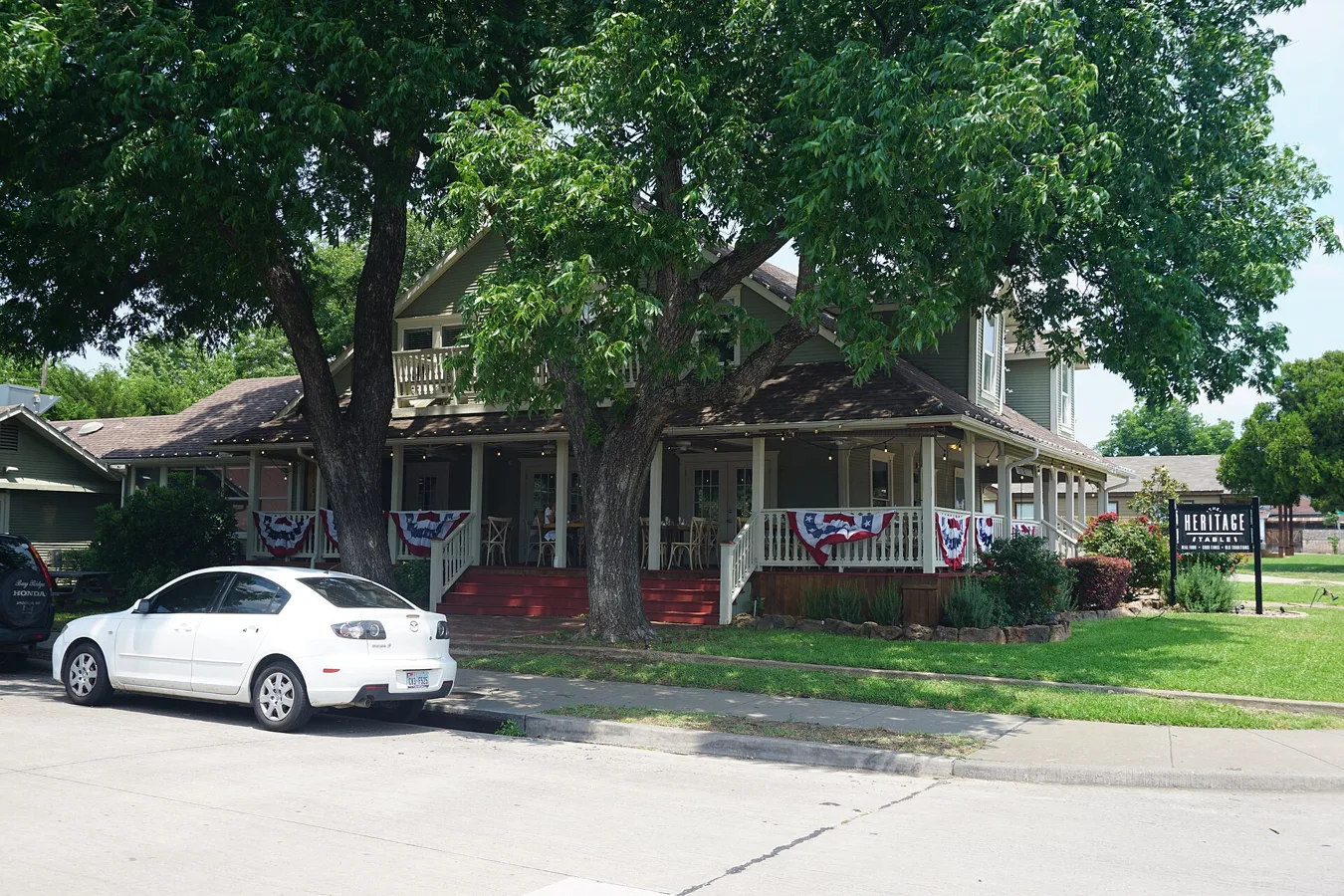
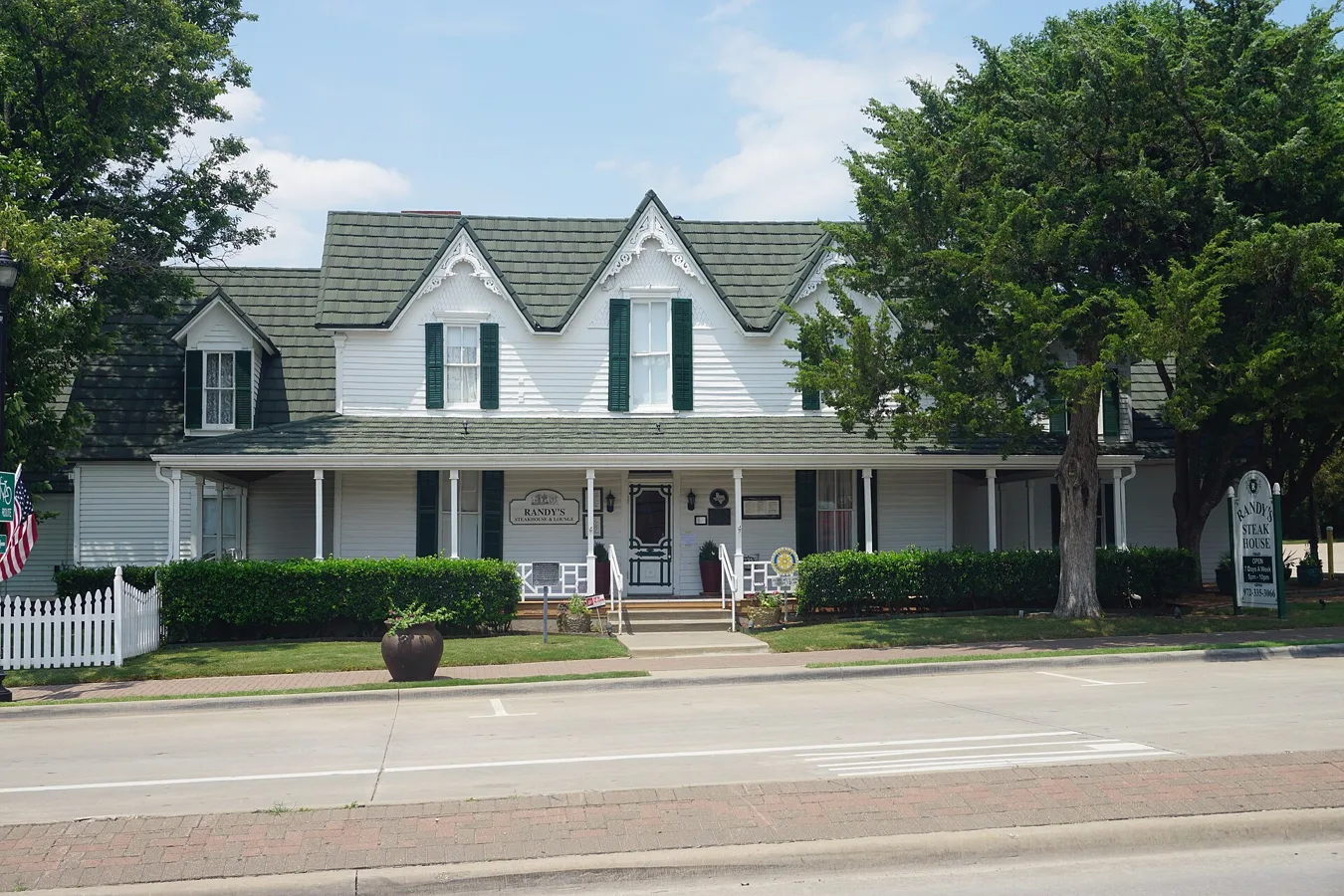
The Heritage Table building in the first photograph is a downtown place residents can picture. A room that anchors a block is easy to picture, and residents already know this one. A school-tax notice does not care what the block is famous for. It cares about the district and the value. We do not keep an office in either photograph.
How this meets the monthly work is direct. The school rate tells you what a higher value will cost. It does not close the month. The month closes when the books match the bank, when the sales-tax set-aside matches, and when the property-tax accrual you know about is in the month you learned it. A quote that offers to make the notice go away is a quote about a feeling. The notice remains.
If your block is one of the smaller district shares, bring the notice anyway. The percentages above are shares of blocks, not a promise about your parcel. The parcel wins. We would rather read the district name off your paper than off a slogan about the city.
October is a sensible time to look at the accrual if the notice arrived in the spring and the books never picked it up. Waiting for the return to discover a missed property-tax entry is how a year becomes a surprise. The return should confirm the months. The return ought to find the rate already sitting in a closed month.
Send the district name printed on the notice, the county, and the last month that matches the bank. The bill amount can stay off the form and be spoken on the call instead. Anyone can check these rates in the Comptroller workbook. Your value is yours.
What the school notice does not change
The school rate and the 8.25 sales tax can sit in a closed set of books. An audit, a review, or a compilation cannot sit on the letter that reports them.
Sections 901.451, 901.453, and 901.456 of the Texas Occupations Code keep that cover with a license holder. The notice you bring changes the accrual. It does not change who may sign a review.
A school notice feels personal because it names a value and a rate, and it arrives whether the books were ready or not. The feeling is allowed. We begin with the county that notice already printed, rather than a county we would rather name. The sales-tax total on both sides of the city is 8.25 percent, and a book that shows a different rate stays open until you know whether the rate is wrong or the location is wrong. The notice changes the accrual in the month you learned the number. The bank match is still a separate piece of work after that rate is known.
The roster of people who may sign those covers is kept on the board's own list.
Name the notice you hold
Name the district and the county on the notice. Say the value out loud on the call rather than in the form.
You will be talking to the Steven Palmieri practice.